News
What Happens During a Pump or Booster Set Upgrade?


A Step-by-Step Guide for Building Managers
When it comes to maintaining a reliable water supply, even the best systems eventually need an upgrade. Whether it’s due to age, inefficiency, or a component failure, upgrading your pump or booster set is one of the most effective ways to restore system performance and prevent costly downtime.
At NT Cloke Pumps & Water, our engineers handle every stage — from inspection to installation — ensuring your system runs safely, smoothly, and efficiently.
Here’s what really happens during a booster set or pump upgrade:
Step 1: Initial Assessment & System Diagnosis
Every upgrade begins with a full assessment of your existing system.
Our engineers carry out site inspections to:
- Check system performance and pressure levels
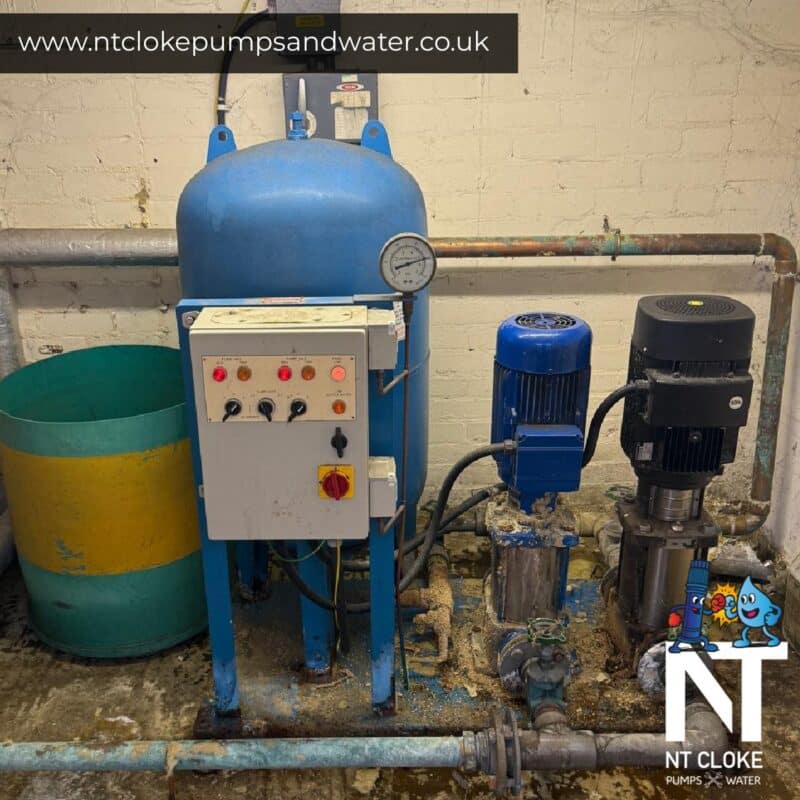
- Identify faulty or outdated components
- Evaluate pipework, electrical connections, and control panels
This allows us to recommend the most suitable replacement system, tailored to your building’s usage and demand.
Step 2: Specifying the Right System
Once we’ve diagnosed the issue, our team selects the correct pump or booster set to meet your needs — factoring in:
- Flow rates and building height
- Energy efficiency
- Noise level and footprint
- Long-term reliability and maintenance access
We work with leading manufacturers and use only tested, high-quality components to ensure every installation meets compliance standards.
Step 3: Installation & Commissioning
The installation process is carefully planned to minimise disruption.
Depending on the site, this can involve:
- Isolating the water system safely
- Removing old or faulty units
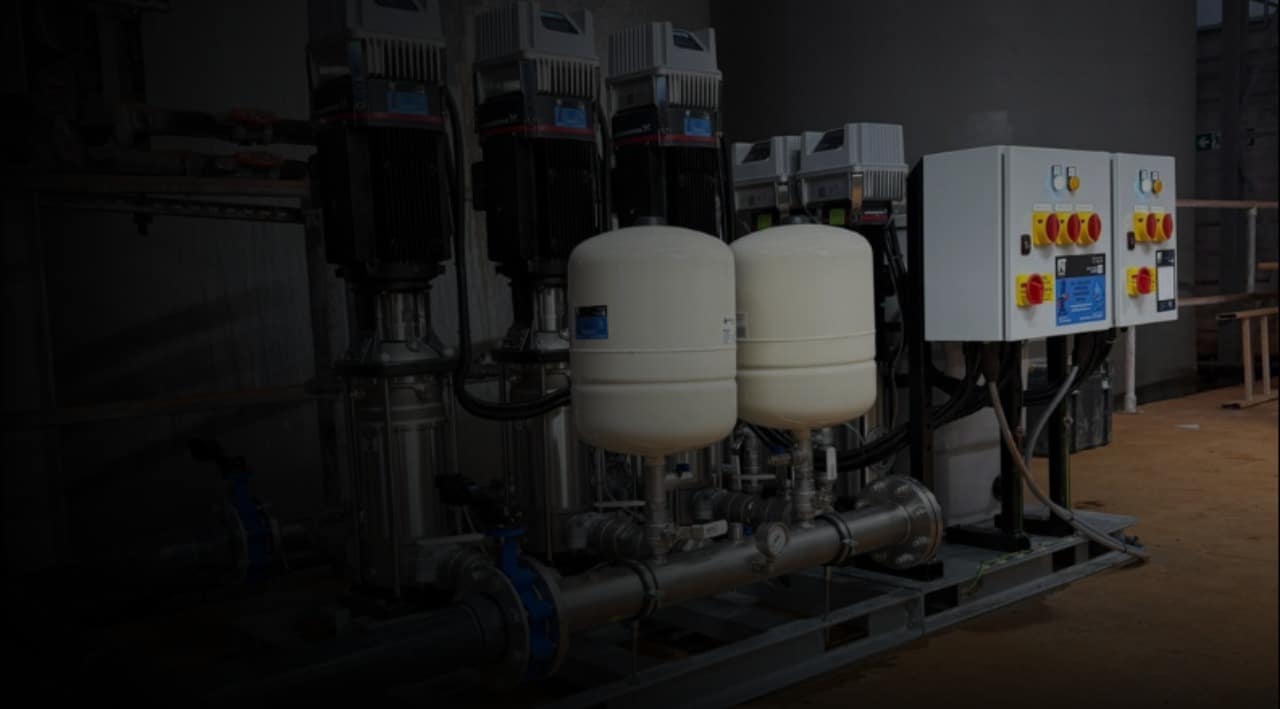
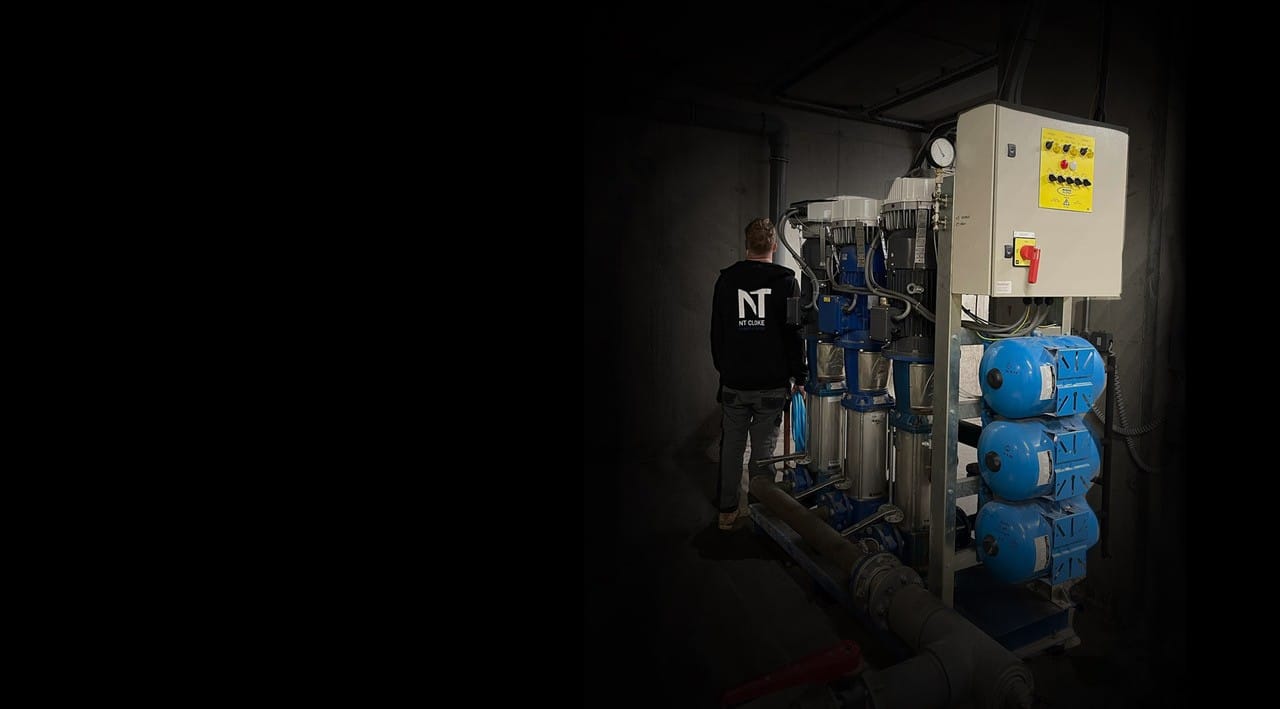
- Installing new pumps, pipework, and control panels
- Wiring and integrating the system with existing infrastructure
All works are completed to WRAS and HSE standards — and often carried out out of hours, as seen in our recent NHS hospital and apartment block upgrades.
Step 4: Testing, Balancing & Certification
Once installed, the new system undergoes:
- Full operational testing under load
- Pressure and flow verification
- Electrical safety checks
- Cleaning and disinfection of tanks or lines (if applicable)
Before handover, clients receive full commissioning documentation and certification for compliance and peace of mind.
Step 5: Ongoing Maintenance & Support
After installation, scheduled servicing helps maximise system lifespan and prevent future issues.
We offer planned maintenance contracts across the UK, ensuring your pump systems remain reliable and compliant year-round.

Why Building Managers Trust NT Cloke Pumps & Water
From hospitals and apartment blocks to commercial buildings, our proactive approach reduces downtime and eliminates costly surprises.
We don’t just fix problems — we futureproof your system.
📞 Get in touch today to discuss a booster or pump upgrade for your site.
Frequently Asked Questions – Pump & Booster Upgrades
1. How do I know if my booster set needs upgrading?
If you’re experiencing fluctuating water pressure, noise, leaks, or frequent callouts, it may be time for an upgrade. Our engineers can assess your system and recommend the best solution.
2. How long does a booster or pump replacement take?
Most replacements can be completed within one working day, but complex systems or out-of-hours installations may take longer.
3. Can you upgrade my system without disrupting water supply?
Where possible, yes. We plan installations to minimise downtime — often completing works out of hours to avoid disruption.
4. Do you handle both domestic and commercial systems?
Absolutely. We work across all sectors, including residential blocks, schools, hospitals, and industrial sites.