News
Pump System Sizing: Why Getting It Wrong Costs More Than You Think

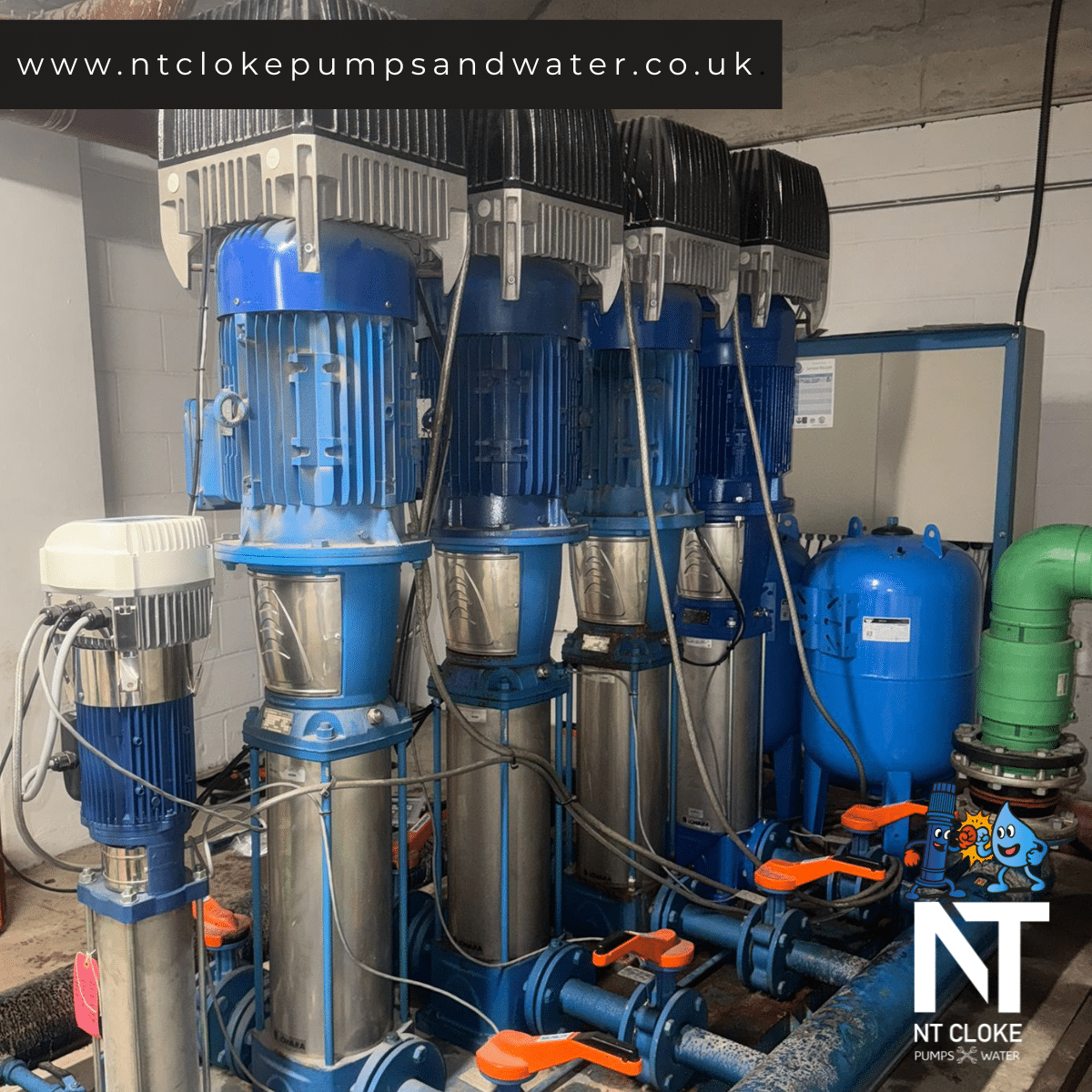
When it comes to pump systems, bigger isn’t always better — and smaller definitely isn’t cheaper in the long run. One of the most common (and costly) issues we see at NT Cloke Pumps & Water is incorrectly sized pump systems.
Whether it’s a domestic booster set struggling to supply multiple bathrooms or a commercial system wasting energy due to oversizing, poor pump selection can lead to ongoing performance issues, rising costs, and premature system failure.
The challenge is that pump sizing isn’t always obvious. A system might “work” — but that doesn’t mean it’s working efficiently or correctly.
What Does Pump Sizing Actually Mean?
Pump sizing refers to selecting a system that delivers the correct:
- Flow rate (how much water is delivered)
- Pressure (how forcefully it’s delivered)
- Capacity (how well it handles demand over time)
This isn’t guesswork. It involves calculations based on:
- Property size and layout
- Number of outlets (taps, showers, appliances)
- Peak demand periods
- Pipework design and resistance
- Elevation (especially in multi-storey buildings)
Get this wrong, and the entire system suffers.
The Problem with Undersized Pump Systems
An undersized pump simply cannot keep up with demand.
This leads to:
- Weak or inconsistent water pressure
- Drops in performance during peak usage
- Pumps running continuously to try and compensate
- Increased wear on motors and components
In residential properties, this often shows up as:
- Showers losing pressure when taps are used
- Upper floors struggling for supply
In commercial settings, the consequences are far more serious:
- Complaints from tenants or guests
- Disruption to operations
- Increased maintenance and downtime
The Hidden Cost of Oversized Systems
On the flip side, oversizing is just as problematic — and often overlooked.
A pump that is too powerful for the system will:
- Use more energy than necessary
- Cycle on and off more frequently
- Cause excessive pressure in pipework
- Increase wear on valves and seals
Over time, this leads to:
- Higher electricity bills
- Increased maintenance costs
- Shorter system lifespan
Oversizing is one of the biggest contributors to inefficient systems in commercial buildings.
Why “Just Upgrading the Pump” Isn’t Always the Answer
One of the most common requests we hear is:
“Can we just put a bigger pump in?”
In many cases, this doesn’t solve the problem — it simply shifts it elsewhere.
Without addressing:
- Pipework limitations
- Pressure balance
- System design
- Demand calculations
a bigger pump can actually make things worse.
Proper system design looks at the entire setup, not just the pump itself.
Real-World Scenarios We See
At NT Cloke, we regularly attend sites where incorrect sizing has caused issues such as:
- Apartment blocks with inconsistent pressure across floors
- Commercial systems running constantly due to undersizing
- Oversized pumps causing pressure surges and leaks
- Systems that “work” but cost far more to run than necessary
In most cases, the system was installed without proper calculation — or upgraded without considering the full system design.
The Importance of Professional Assessment
Correct pump sizing requires experience, calculation, and understanding of real-world usage.
NT Cloke engineers assess:
- Actual water demand
- Pressure requirements
- System efficiency
- Existing infrastructure
This ensures the system is:
- Efficient
- Reliable
- Cost-effective
- Built to last
Getting It Right the First Time
Whether you’re installing a new system or upgrading an existing one, correct sizing is critical.
A properly sized system will:
- Deliver consistent pressure
- Operate efficiently
- Reduce wear and tear
- Lower running costs
- Extend system lifespan
It’s not just about performance — it’s about long-term value.
FAQs
How do I know if my pump is the wrong size?
Signs include poor pressure, constant running, high energy bills, or frequent breakdowns.
Is it expensive to fix a wrongly sized system?
It depends — but early correction is always cheaper than long-term inefficiency or failure.
Can NT Cloke assess my current system?
Yes — we provide full system evaluations and recommendations.
Do all systems need custom sizing?
Yes. Every property and usage pattern is different.
Call to Action
Not sure if your system is correctly sized?
An incorrectly sized pump system can cost more than you think — in energy, repairs, and performance issues. Getting it right makes all the difference.
If you’re experiencing pressure problems, inefficiency, or planning an upgrade, NT Cloke can assess your system and recommend the right solution.
📞 0116 373 5496
📧 info@ntclokepumpsandwater.co.uk
🌐 www.ntclokepumpsandwater.co.uk