News
7 Signs Your Commercial Water System Needs Modernising (And Why Waiting Could Cost You More)

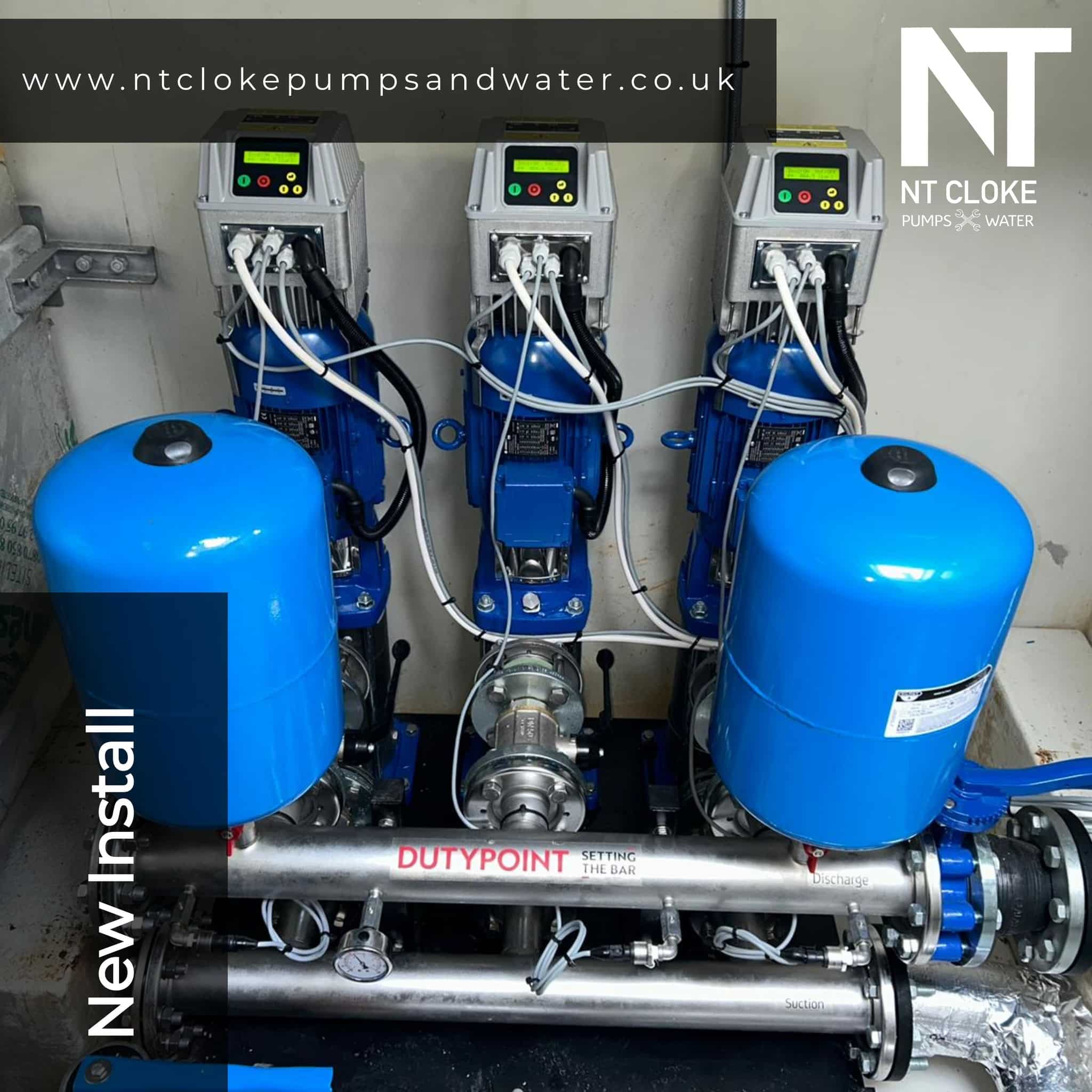
Commercial water systems are often the forgotten heroes of a building. Hidden away in plant rooms and service areas, they’re expected to quietly perform day after day without much thought—until something goes wrong.
The reality is that many commercial water systems continue operating long after they’ve started showing signs of decline. Rising energy costs are accepted as inevitable, recurring repairs become part of the maintenance budget, and pressure issues are simply viewed as “one of those things.”
They shouldn’t be.
Modernising your commercial water system doesn’t necessarily mean replacing everything and starting again. In many cases, relatively modest upgrades can significantly improve efficiency, reliability, and long-term running costs.
Understanding the warning signs early allows businesses, facilities managers, and property owners to make proactive decisions before small problems become major disruptions.
Here are seven signs it may be time to consider modernising your commercial water system.
1. Your Energy Bills Continue to Rise
Older pump systems simply aren’t as efficient as their modern counterparts.
Over time, ageing equipment often:
- Works harder than necessary
- Operates for longer periods
- Consumes more electricity
- Struggles to respond efficiently to changing demand
While gradual increases in energy costs may initially go unnoticed, inefficient water systems can significantly impact the operating costs of commercial buildings over time.
Modern systems utilise technologies such as variable speed drives, intelligent controls, and improved monitoring capabilities to optimise performance and reduce unnecessary energy consumption.
Modernisation isn’t always about replacement—sometimes improving efficiency delivers substantial savings on its own.
2. Emergency Repairs Are Becoming More Frequent
One unexpected repair isn’t necessarily cause for concern.
Five emergency call-outs over twelve months usually tells a very different story.
Repeated failures often indicate that components are reaching the end of their operational lifespan or that the wider system is struggling to meet demand.
Common examples include:
Repeated seal failures
Pressure fluctuations
Faulty controls
Pump tripping issues
Ageing electrical components
Increasing leaks
At some point, continually repairing ageing systems becomes less cost-effective than investing in strategic upgrades.
The question isn’t always:
“Can we repair it?”
Sometimes it should become:
“Should we continue repairing it?”
3. Water Pressure Isn’t What It Used To Be
Commercial buildings place significant demands on water systems.
If occupants are beginning to experience:
- Pressure fluctuations
- Reduced flow rates
- Inconsistent performance
- Poor pressure during peak periods
the underlying cause may extend far beyond the pump itself.
Pressure problems are often linked to:
- Ageing controls
- System design limitations
- Failing components
- Increased building demand
- Incorrect pressure settings
Modernisation provides an opportunity to reassess whether the existing system is still fit for purpose.
Buildings evolve over time—and their water systems should evolve with them.
4. Your System Isn’t Smart
This is probably one of my favourite signs on the list because many businesses don’t realise just how much monitoring technology has evolved over recent years.
Modern systems can provide:
- Intelligent monitoring
- Alarm notifications
- Performance reporting
- Energy consumption monitoring
- Pressure management
- Remote diagnostics capabilities
Rather than waiting for complete system failure, smart monitoring allows developing issues to be identified early.
Preventative maintenance becomes considerably more effective when supported by meaningful system data.
If your water system provides no information whatsoever until something stops working, modernisation could deliver far more value than many businesses realise.
5. Control Equipment Is Beginning to Show Its Age
Control panels don’t often receive much attention until problems begin appearing.
Ageing control equipment may result in:
- Intermittent faults
- Reliability issues
- Difficulty sourcing replacement parts
- Reduced efficiency
- Inconsistent system operation
Modern control systems offer significantly improved capabilities while often integrating seamlessly alongside existing infrastructure.
Modernisation doesn’t necessarily mean replacing perfectly serviceable equipment—it means identifying which upgrades will deliver meaningful improvements in performance and reliability.
6. Your System Has No Built-In Redundancy
Ask yourself one simple question:
“If one component failed tomorrow, what happens next?”
Would:
Occupants lose water supply?
Commercial operations stop?
Multiple buildings be affected?
Emergency repairs become unavoidable?
Commercial water systems increasingly benefit from redundancy arrangements that minimise disruption when failures occur.
This may include:
Duty and standby pumps
Intelligent changeover systems
Backup controls
Improved monitoring arrangements
Building resilience into critical infrastructure protects both occupants and business continuity.
7. You’re Spending More Time Fixing Problems Than Preventing Them
This final sign is perhaps the most important of them all.
If facilities teams spend more time responding to:
- Pressure complaints
- Emergency failures
- Unexpected repairs
- Recurring maintenance issues
than proactively managing the system, modernisation should probably become part of the conversation.
Water systems should support buildings—not become ongoing sources of frustration.
There comes a point where proactive investment delivers greater value than reactive maintenance.
Modernising Doesn’t Always Mean Starting Again
One of the biggest misconceptions surrounding system modernisation is cost.
Many people immediately assume modernisation means:
“We’re replacing absolutely everything.”
That simply isn’t true.
Modernisation may involve:
Improved controls
Pump refurbishment
Intelligent monitoring systems
Energy efficiency upgrades
Pressure management improvements
Strategic component replacement
System optimisation
Sometimes relatively modest upgrades deliver significant improvements in reliability, efficiency, and performance.
Modernisation should always be proportionate to the requirements of the building and the condition of the existing infrastructure.
Investing in Long-Term Reliability
Commercial water systems represent significant investments.
Waiting until complete failure occurs often results in:
- Higher repair costs
- Greater disruption
- Emergency call-outs
- Reduced operational resilience
Taking a proactive approach allows businesses to plan upgrades strategically while minimising disruption and protecting long-term performance.
At NT Cloke Pumps & Water, we believe modernisation should always begin with understanding what the building actually needs—not simply replacing equipment unnecessarily.
Sometimes modernisation means replacement.
Sometimes it doesn’t.
Professional assessment makes all the difference.
FAQs
Does modernising a water system mean replacing everything?
No. Many modernisation projects involve upgrading selected components, improving controls, or optimising existing infrastructure rather than complete replacement.
How do I know if my commercial water system is becoming inefficient?
Common signs include increasing energy bills, recurring repairs, pressure issues, ageing controls, and reduced reliability.
Can older systems still be modernised successfully?
Absolutely. Many older systems benefit significantly from strategic upgrades that improve performance without requiring complete replacement.
Does NT Cloke provide commercial water system assessments?
Yes. Our experienced engineers can assess existing infrastructure and recommend practical, cost-effective solutions tailored to the requirements of your building.
Is your commercial water system beginning to show its age?
Modernising your water system doesn’t have to mean replacing everything. Often, strategic upgrades and expert advice are all that’s required to improve reliability, efficiency, and long-term performance.
If you’re experiencing rising running costs, recurring repairs, pressure issues, or ageing infrastructure, NT Cloke Pumps & Water can help you identify the most practical and cost-effective path forward.
Our experienced engineers work with commercial buildings across the UK, delivering tailored solutions that keep critical water systems operating safely and efficiently.
Contact NT Cloke Pumps & Water today.
📞 0116 373 5496
📧 info@ntclokepumpsandwater.co.uk
🌐 www.ntclokepumpsandwater.co.uk